

В современном цифровом мире, где объемы данных растут экспоненциально, энергопотребление становится критически важным фактором как для индивидуальных пользователей, так и для крупных корпораций. Энергосберегающие жесткие диски представляют собой инновационное решение, которое не только снижает затраты на электроэнергию, но и повышает надежность и долговечность устройств хранения данных. В этой статье мы подробно рассмотрим, как эти технологии работают, их преимущества, и почему они становятся неотъемлемой частью устойчивого развития в IT-индустрии.
С ростом цифровизации общества, хранение данных стало одной из самых энергоемких отраслей. Традиционные жесткие диски (HDD) и даже некоторые твердотельные накопители (SSD) потребляют значительное количество электроэнергии, что приводит к высоким эксплуатационным расходам и негативному воздействию на окружающую среду. По оценкам экспертов, центры обработки данных потребляют около 1-2% глобальной электроэнергии, и эта цифра продолжает расти. Энергосберегающие технологии в жестких дисках предлагают практический путь к снижению этого потребления, одновременно улучшая производительность и срок службы устройств.
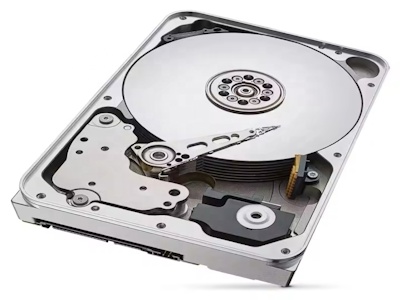
Энергосберегающие жесткие диски основаны на нескольких ключевых технологиях, которые минимизируют энергопотребление без ущерба для функциональности. Во-первых, это использование продвинутых контроллеров питания, которые динамически регулируют напряжение и частоту в зависимости от нагрузки. Например, в SSD применяются алгоритмы, такие как DevSleep, которые переводят накопитель в режим сверхнизкого энергопотребления когда он не активен. Для HDD, технологии like Advanced Format и Helium-filled диски reduce friction and heat, leading to lower power draws. Additionally, innovations in NAND flash memory for SSDs, such as 3D NAND, allow for higher density and efficiency, meaning less energy per gigabyte stored.
SSD generally consume less power than HDD due to the absence of moving parts. A typical SSD uses around 2-5 watts during active use and less than 0.5 watts in idle mode, whereas a HDD can consume 6-10 watts active and 4-6 watts idle. This difference becomes significant in environments like data centers, where thousands of drives are operated simultaneously. However, energy-efficient HDDs have made strides by incorporating features like variable RPM (revolutions per minute), where the disk spins slower when not in use, reducing power consumption by up to 40%. This makes HDDs still relevant for bulk storage where cost per terabyte is a priority, but energy savings are desired.
Использование энергосберегающих жестких дисков непосредственно translates to cost savings. For a small business running a server with 10 HDDs, switching to energy-efficient models could save hundreds of dollars annually in electricity bills. In larger scales, such as cloud providers, the savings can be millions. Moreover, reduced energy consumption lowers carbon footprint, contributing to corporate sustainability goals. Governments and organizations are increasingly incentivizing energy-efficient technologies through tax breaks and certifications like Energy Star, making the adoption financially attractive.
Energy-efficient designs often enhance durability. SSDs, with no mechanical parts, are less prone to physical failure from shocks or vibrations, leading to longer lifespans—typically rated for terabytes written (TBW) that can exceed 1,000 TB for consumer models. Energy-efficient HDDs, by running cooler and with reduced mechanical stress from lower RPMs, also see improved longevity. For instance, helium-filled HDDs have shown mean time between failures (MTBF) of over 2 million hours, compared to 1-1.5 million for air-filled models. This reliability reduces replacement costs and downtime, further amplifying the economic benefits.
Adopting energy-saving hard drives aligns with global efforts to combat climate change. The IT sector's carbon emissions are substantial, and efficient storage solutions can cut energy use by up to 50% in some cases. This not only reduces greenhouse gas emissions but also conserves natural resources. Additionally, many manufacturers are focusing on recyclable materials and eco-friendly production processes for these drives, creating a circular economy. Consumers and businesses are increasingly valuing green products, making energy-efficient drives a competitive advantage in the market.
When selecting an energy-saving hard drive, consider factors like workload, capacity needs, and budget. For high-performance applications, SSDs are ideal due to their low power and high speed. For archival storage, energy-efficient HDDs offer a balance of cost and efficiency. Look for certifications like Energy Star or specific manufacturer claims on power consumption. In usage, implement power management settings in operating systems to maximize savings, such as putting drives to sleep after periods of inactivity. Regular firmware updates can also optimize energy efficiency over time.
The future of energy-saving hard drives is bright, with advancements in quantum storage, DNA data storage, and even more efficient semiconductor materials. Researchers are working on drives that consume near-zero power in standby modes and utilize renewable energy sources. As artificial intelligence and IoT expand, the demand for efficient storage will grow, driving innovation. Expect to see drives with integrated energy harvesting capabilities and smarter, adaptive power management that learns user behavior to minimize waste.
Энергосберегающие жесткие диски — это не просто тренд, а necessity в era of digital transformation. Они предлагают tangible benefits in energy savings, cost reduction, durability, and environmental impact. By adopting these technologies, users can contribute to a more sustainable future while enjoying enhanced performance and reliability. As technology evolves, the synergy between efficiency and innovation will continue to shape the storage landscape, making energy-saving drives a cornerstone of modern computing.
В целом, инвестиции в энергосберегающие жесткие диски окупаются многократно, обеспечивая долгосрочную выгоду для всех stakeholders. Whether you're a home user or a enterprise, considering energy efficiency in your storage choices is a smart move towards a greener, more economical digital experience.
Предыдущая статья: 512 ГБ USB накопитель это не просто флешка это ваш личный цифровой сейф
Следующий пост: 128GB SD карта увеличение памяти для фото и видео