


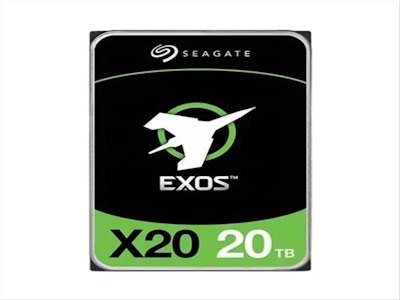
В современном цифровом мире бизнес все больше зависит от данных. От финансовых отчетов до клиентских баз, информация становится ключевым активом, который требует надежного и эффективного хранения. Однако традиционные методы, такие как локальные жесткие диски или облачные сервисы, часто не справляются с растущими потребностями компаний. Здесь на помощь приходят сетевые хранилища (NAS - Network Attached Storage), которые предлагают уникальное сочетание надежности, масштабируемости и доступности. В этой статье я подробно рассмотрю, почему NAS является не просто опцией, а необходимостью для любого бизнеса, стремящегося к успеху и стабильности.
Начнем с основ: что такое NAS? Это специализированное устройство, подключенное к локальной сети, которое предоставляет централизованное хранилище данных для множества пользователей и устройств. В отличие от простых внешних дисков, NAS работает как самостоятельный сервер, предлагая расширенные функции, такие как резервное копирование, общий доступ к файлам и даже возможности виртуализации. Для бизнеса это означает, что данные всегда под рукой, защищены от потерь и легко доступны для collaboration.
Одним из ключевых преимуществ NAS является его надежность. В бизнес-среде потери данных могут привести к катастрофическим последствиям: финансовым убыткам, потере доверия клиентов и даже юридическим проблемам. NAS решает эту проблему через встроенные механизмы избыточности, такие как RAID (Redundant Array of Independent Disks). Например, RAID 1 зеркалирует данные на multiple дисках, ensuring that if one fails, the information remains intact. This level of protection is often absent in consumer-grade storage solutions, making NAS a must-have for enterprises that value data integrity.
Moreover, NAS offers exceptional scalability. As a business grows, so does its data volume. Traditional storage methods might require frequent upgrades or replacements, leading to downtime and increased costs. NAS, on the other hand, allows for easy expansion by adding more drives or units to the network. This modular approach means that companies can start small and scale up seamlessly without disrupting operations. For instance, a small startup can begin with a basic 2-bay NAS and later upgrade to a 12-bay system as needs evolve, ensuring that storage capacity never becomes a bottleneck.
Another critical aspect is cost-effectiveness. While initial investment in a NAS might be higher than buying a simple external drive, the long-term savings are substantial. NAS reduces the need for multiple storage devices and minimizes the risk of data loss, which can be far more expensive to recover. Additionally, many NAS systems come with energy-efficient features, lowering electricity costs compared to running full-scale servers. By centralizing storage, businesses also save on maintenance and management overhead, as a single device can serve multiple users and applications.
Security is a top concern for any business, and NAS excels in this area. With built-in encryption, access controls, and regular firmware updates, NAS devices provide a secure environment for sensitive data. They can integrate with existing IT infrastructure, such as Active Directory, to enforce user permissions and audit trails. This is particularly important in industries like healthcare or finance, where regulatory compliance (e.g., GDPR, HIPAA) mandates strict data protection measures. NAS helps businesses meet these requirements without compromising on performance or accessibility.
Furthermore, NAS enhances productivity through seamless collaboration. In today's remote work era, teams need to access and share files from anywhere. NAS enables this via cloud integration or remote access features, allowing employees to work efficiently regardless of location. Features like file versioning and snapshotting ensure that changes are tracked and can be reverted if needed, reducing the risk of errors and improving workflow efficiency.
In conclusion, the necessity of NAS for business storage cannot be overstated. It provides a robust, scalable, and cost-effective solution that addresses the critical needs of data reliability, security, and accessibility. As businesses continue to generate more data, investing in a NAS system is not just a smart choice but an essential step towards future-proofing operations. By embracing NAS, companies can focus on growth and innovation, knowing that their valuable data is in safe hands.
To delve deeper, let's explore the technical aspects. NAS devices are typically based on Linux or other Unix-like operating systems, which are known for their stability and security. They support various file systems, such as ext4 or Btrfs, offering features like data deduplication and compression to optimize storage space. For businesses, this means more efficient use of resources and better performance.
Moreover, NAS can serve multiple roles beyond simple storage. Many models include applications for media streaming, virtualization, or even running small websites. This versatility makes NAS a central hub for IT infrastructure, reducing the need for additional hardware and simplifying management. For example, a company can use a NAS to host its internal wiki, backup servers, and shared documents all in one place.
The evolution of NAS technology has also made it more user-friendly. Modern systems come with intuitive web interfaces, mobile apps, and automated setup wizards, making them accessible even to non-technical users. This democratization of storage means that small businesses can benefit from enterprise-level features without requiring specialized IT staff.
In terms of performance, NAS devices are equipped with powerful processors and ample RAM to handle high I/O workloads. This is crucial for businesses that rely on data-intensive applications, such as video editing or database management. With options for SSD caching and 10GbE networking, NAS can deliver speeds comparable to local storage, ensuring that productivity is not hampered.
Looking at real-world examples, many successful companies have integrated NAS into their operations. For instance, a marketing agency might use a NAS to store large video files and collaborate on projects in real-time. A law firm could use it for secure document management and compliance. The adaptability of NAS makes it suitable for virtually any industry.
However, it's important to choose the right NAS for your needs. Factors to consider include the number of drive bays, supported RAID levels, processor power, and connectivity options. Leading brands like Synology, QNAP, and Western Digital offer a range of products tailored to different business sizes and requirements.
In summary, NAS is not just a storage solution; it's a strategic investment that empowers businesses to manage their data effectively. Its combination of reliability, scalability, security, and cost-efficiency makes it an indispensable tool in the modern business landscape. As data continues to drive decision-making and innovation, adopting NAS is a clear step towards ensuring long-term success and resilience.
Finally, I encourage businesses to evaluate their current storage strategies and consider the benefits of NAS. Whether you're a startup or an established enterprise, the move to NAS can transform how you handle data, leading to improved efficiency, reduced risks, and greater peace of mind. Embrace the future of storage with NAS – it's a necessity, not an option.
Предыдущая статья: Хватит делиться своими данными с чужими серверами
Следующий пост: Как выбрать надежный накопитель для ваших данных без переплаты