


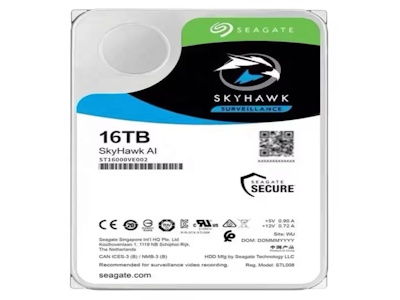
В эпоху цифровой революции данные стали новой валютой, и их хранение превратилось в критически важную задачу. От семейных фотографий до корпоративных баз данных — все требует надежного и доступного решения. Именно здесь на сцену выходит NAS (Network Attached Storage) накопитель, устройство, которое переопределяет то, как мы управляем информацией. Представьте: вся мощь ваших данных, доступная в любое время и в любом месте, буквально на кончиках ваших пальцев. Это не просто хранилище; это центральный хаб вашей цифровой жизни, объединяющий удобство, безопасность и производительность.
Но что такое NAS накопитель? В двух словах, это специализированное сетевое устройство, подключаемое к вашей локальной сети, которое предоставляет общий доступ к данным для множества пользователей и устройств. В отличие от традиционных внешних жестких дисков или облачных сервисов, NAS предлагает уникальное сочетание автономности, контроля и гибкости. Он действует как персональное облако, но без ежемесячных подписок и с полной конфиденциальностью. С развитием интернета вещей (IoT) и ростом объема данных, NAS становится незаменимым инструментом для домов, малого бизнеса и даже крупных предприятий.
Почему NAS накопитель взрывает рынок? Ответ прост: он решает фундаментальные проблемы современного хранения. Во-первых, безопасность. С кибератаками, становящимися все более изощренными, хранение данных на сторонних серверах подвергает вас рискам утечки. NAS позволяет хранить все локально, с возможностью шифрования и регулярного резервного копирования. Во-вторых, доступность. С NAS вы можете получить доступ к своим файлам с любого устройства — смартфона, планшета или компьютера — через интернет, без необходимости физического присутствия. Это идеально для удаленной работы или путешествий.
Кроме того, NAS накопитель — это не просто хранилище; это многофункциональная платформа. Многие модели поддерживают установку приложений, превращая устройство в медиацентр, сервер для игр или даже систему видеонаблюдения. Представьте, что вы транслируете фильмы напрямую с NAS на свой телевизор, автоматически создаете резервные копии всех устройств в доме или управляете умным домом через единый интерфейс. Возможности безграничны, и именно это делает NAS таким мощным.
В этой статье мы погрузимся в мир NAS накопителей, exploring их историю, технологические основы, ключевые преимущества, практические применения и будущие тенденции. Мы рассмотрим, как выбрать подходящий NAS для ваших нужд, настройку и оптимизацию, а также реальные кейсы использования. К концу вы поймете, почему NAS — это не просто gadget, а необходимость для каждого, кто ценит свои данные. Давайте начнем это путешествие к цифровой свободе!
Истоки NAS накопителей восходят к 1980-м годам, когда компьютеры начали массово использоваться в бизнесе, и возникла потребность в общем доступе к файлам. Первые сетевые хранилища были громоздкими и дорогими, доступными только крупным корпорациям. Однако с развитием технологий, таких как Ethernet и протоколы like NFS (Network File System), NAS стал более доступным. В 1990-х годах компании like NetApp и EMC популяризировали концепцию, сделав ее стандартом для корпоративных сред.
Поворотным моментом стало появление потребительских NAS devices в начале 2000-х. Бренды like Synology, QNAP и Western Digital начали предлагать compact и affordable решения для дома. С ростом объема данных — thanks to digital photography, video streaming, and social media — спрос на NAS взлетел. Сегодня NAS evolved into intelligent systems with processors, RAM, and operating systems, capable of running apps and integrating with cloud services.
Эволюция NAS отражает broader trends in technology: miniaturization, increased connectivity, and user empowerment. What started as a niche product for IT departments is now a household essential. The future promises even more integration with AI and machine learning, making NAS smarter and more autonomous.
At its core, a NAS накопитель состоит из hardware и software components. Hardware включает в себя корпус, диски (HDD или SSD), процессор, оперативную память и сетевые интерфейсы. Software — это операционная система, often based on Linux, которая управляет файловой системой, доступом и дополнительными функциями.
NAS connects to your network via Ethernet or Wi-Fi, allowing multiple devices to access it simultaneously. It uses protocols like SMB (Server Message Block) for Windows, AFP for Mac, and NFS for Unix-like systems to facilitate file sharing. Data is stored in RAID configurations for redundancy and performance, meaning if one disk fails, your data remains safe.
Key technologies behind NAS include:
NAS накопители offer numerous advantages over traditional storage methods. First and foremost, data security. By keeping data local, you reduce exposure to external threats. Encryption features and regular backups add layers of protection. For businesses, compliance with regulations like GDPR is easier with NAS.
Second, accessibility and convenience. With mobile apps and web interfaces, you can access files from anywhere in the world. This is perfect for remote teams or families sharing photos and videos. No more carrying external drives or relying on slow internet for cloud downloads.
Third, cost-effectiveness. While the initial investment might be higher than a simple external drive, NAS eliminates monthly subscription fees for cloud storage. Over time, it saves money, especially for large data volumes. Additionally, NAS can reduce IT costs by centralizing storage and simplifying management.
Other benefits include:
NAS накопители are versatile and can be used in various scenarios. In home environments, they serve as a central hub for family data. Store photos, videos, documents, and even run a personal cloud for seamless access. Parents can use it to backup kids' devices, while enthusiasts might set up a media server for home theater systems.
For small businesses, NAS is a game-changer. It provides shared storage for teams, enabling collaboration on projects without emailing large files. Backup solutions ensure business continuity, and some NAS models support CRM or accounting software. It's a cost-effective alternative to enterprise storage systems.
In larg enterprises, NAS is used for department-level storage, archiving, and as a backup target. With high-availability features, it ensures data is always accessible. Creative industries like photography and videography rely on NAS for fast access to large files during editing.
Real-world examples:
Choosing the right NAS depends on your needs. Consider factors like storage capacity, which determines how much data you can store. Start with at least 4TB for home use, but plan for future growth. For businesses, think in terabytes or even petabytes.
Performance is crucial; look at the processor speed, RAM, and number of drive bays. A faster NAS handles multiple users and apps better. If you plan to run virtual machines or heavy applications, opt for models with Intel or AMD processors.
Features such as RAID support, cloud sync, and mobile app availability should align with your usage. Brands like Synology and QNAP offer user-friendly interfaces, while others might focus on raw power. Read reviews and compare models before buying.
Budget is another key factor. Entry-level NAS start around $100, but high-end models can cost thousands. Remember to factor in the cost of hard drives separately. Ultimately, the best NAS is one that balances performance, features, and price for your specific situation.
Setting up a NAS is straightforward. First, physically install the hard drives into the bays. Then, connect the NAS to your router via Ethernet. Power it on and access the web-based setup interface from a computer on the same network.
During setup, you'll configure the RAID level based on your needs for redundancy or performance. For home use, RAID 1 (mirroring) is common for safety. Initialize the disks and create shared folders with appropriate permissions.
Optimization tips:
The future of NAS is bright and evolving. Integration with artificial intelligence will enable smart data management, such as automatic tagging of photos or predictive backups. AI could optimize storage based on usage patterns.
5G and edge computing will enhance remote access speeds, making NAS even more viable for real-time applications. Imagine streaming 8K video from your NAS without latency.
Sustainability is another trend; future NAS might use energy-efficient components and renewable materials. As data privacy concerns grow, NAS will continue to emphasize local storage with enhanced security features.
In summary, NAS накопители are not just a passing trend but a fundamental part of our digital future. They empower users with control, security, and convenience, truly putting the power of data at your fingertips.
В мире, где данные являются королем, NAS накопитель stands as a knight in shining armor. It offers a perfect blend of security, accessibility, and functionality that surpasses traditional storage methods. Whether for personal use or business, investing in a NAS is a step towards digital independence. Embrace the power of data at your fingertips and transform how you store, share, and protect your information. The future is here, and it's stored on a NAS.
Thank you for reading this comprehensive guide. If you have questions or want to share your NAS experiences, feel free to reach out. Remember, your data is valuable—guard it with the best technology available.
Предыдущая статья: 2TB внешний SSD почему это ваша новая необходимость
Следующий пост: Объем 1ТБ переносной жесткий диск для ваших данных