


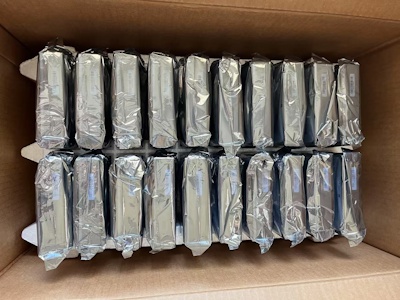
В современном цифровом мире данные стали новым золотом, а технологии их хранения — ключевым драйвером прогресса. От облачных вычислений до распределённых систем, инновации в этой области трансформируют бизнес, науку и повседневную жизнь. В этой статье мы глубоко погрузимся в то, как новые технологии хранения данных уже сегодня меняют мир, и почему это так важно для будущего.
Данные окружают нас повсюду: от смартфонов и социальных сетей до умных домов и промышленных систем. Ежедневно человечество генерирует более 2.5 квинтиллионов байт данных, и этот объём растёт экспоненциально. Без эффективных технологий хранения этот информационный поток стал бы неуправляемым хаосом. Но благодаря инновациям, мы не только справляемся с этим, но и извлекаем ценность, которая двигает мир вперёд.
История хранения данных началась с простых носителей, таких как перфокарты и магнитные ленты в 1950-х годах. Затем появились жёсткие диски (HDD) в 1956 году, которые революционизировали доступ к информации. В 1980-х флеш-память и твердотельные накопители (SSD) принесли скорость и надёжность. Но настоящий прорыв произошёл с advent облачных вычислений в начале 2000-х, когда компании like Amazon и Google предложили масштабируемые решения хранения через интернет.
Сегодня мы наблюдаем переход к распределённым системам, таким как блокчейн и edge computing, которые децентрализуют хранение, повышая безопасность и эффективность. Эта эволюция не просто техническая — она социальная и экономическая, enabling такие явления, как big data analytics и искусственный интеллект.
Облачные технологии, предлагаемые провайдерами like AWS, Microsoft Azure, и Google Cloud, allow организациям хранить данные удалённо, reducing costs on physical infrastructure. Это enables гибкость: businesses can scale storage up or down based on demand. For example, during the COVID-19 pandemic, cloud storage allowed companies to quickly adapt to remote work, storing vast amounts of video conferencing data without hiccups.
Но облако — это не just storage; it's a platform for innovation. Services like Amazon S3 provide durable object storage, while Google BigQuery enables real-time data analysis. This has democratized access to advanced tools, allowing small startups to compete with giants.
Big data technologies, such as Hadoop and Spark, handle petabytes of data, enabling patterns and trends that were previously invisible. In healthcare, for instance, storing and analyzing patient data has led to personalized medicine and faster drug discovery. Companies like Netflix use big data to recommend content, storing viewing habits in distributed systems for instant access.
The key here is not just storage but integration with analytics. Data lakes and warehouses store structured and unstructured data, making it ready for machine learning algorithms to mine valuable insights.
AI thrives on data. Without efficient storage, training models would be impossible. Technologies like TensorFlow and PyTorch rely on high-performance storage systems to process massive datasets. For example, autonomous vehicles generate terabytes of data daily from sensors; storing this data securely allows AI to learn and improve driving algorithms.
Innovations in storage, such as NVMe (Non-Volatile Memory Express) drives, reduce latency, speeding up AI computations. This synergy is transforming industries: in finance, AI analyzes transaction data stored in real-time databases to detect fraud.
As data grows, so do threats. New storage technologies incorporate advanced security features. Encryption at rest and in transit, offered by solutions like AWS KMS or Azure Key Vault, ensures that data is unreadable to unauthorized parties. Blockchain technology provides immutable storage, making data tamper-proof — ideal for applications like supply chain tracking or voting systems.
Zero-trust architectures and multi-factor authentication are becoming standard, storing access logs in secure databases to monitor and prevent breaches. This is crucial in a world where data breaches can cost billions and damage reputations.
With the rise of IoT devices, storing data at the edge — near where it's generated — reduces latency and bandwidth usage. For example, smart cities use edge storage to process traffic camera data locally before sending summaries to the cloud. This not only speeds up responses but also enhances privacy by minimizing data transmission.
Technologies like 5G enable faster edge storage, supporting real-time applications such as augmented reality or remote surgery, where milliseconds matter.
In healthcare, new storage technologies enable electronic health records (EHRs) that are accessible across providers. Storing genomic data allows for precision medicine, where treatments are tailored to individual genetic profiles. During the pandemic, cloud storage facilitated rapid sharing of research data, accelerating vaccine development.
AI-powered diagnostics rely on stored medical images, improving accuracy in detecting diseases like cancer. This is not just efficient; it's life-saving.
Banks use distributed databases to store transaction data in real-time, enabling instant payments and fraud detection. Blockchain storage underpins cryptocurrencies, offering transparency and security. Cloud storage reduces operational costs, allowing fintech startups to innovate with apps that store financial data securely.
Regulatory compliance, such as GDPR, requires secure data storage, driving adoption of encrypted solutions that protect customer information.
Educational institutions leverage cloud storage to host online courses and student data. Big data analytics help track student performance, storing patterns to identify at-risk students and intervene early. This personalizes education, making it more effective and accessible globally.
Retailers use data storage to manage inventory and analyze customer behavior. For instance, Amazon's recommendation engine stores purchase history to suggest products, enhancing sales. Edge storage in stores processes real-time data from sensors to optimize layouts and reduce wait times.
The future of data storage is exciting. Quantum storage could revolutionize capacity, with theories suggesting quantum bits (qubits) storing vast amounts of data in tiny spaces. DNA storage is another frontier — scientists have stored data in DNA molecules, offering incredible density and longevity.
AI will continue to drive automation in storage management, predicting failures and optimizing resources. Decentralized storage networks, like IPFS or Filecoin, may challenge centralized clouds, giving users more control over their data.
As IoT expands, storage will become more integrated with AI and edge computing, creating smart environments where data is processed and stored seamlessly.
Despite advancements, challenges remain. Data privacy is a major concern; storing personal data requires strict regulations to prevent misuse. Environmental impact is another issue — data centers consume significant energy, prompting a push for green storage solutions using renewable energy.
Ethically, we must ensure that data storage does not exacerbate inequalities. Access to advanced storage should be democratized, not limited to wealthy corporations.
Новые технологии хранения данных уже сегодня меняют мир, enabling innovations that were once science fiction. From healthcare to finance, they drive efficiency, security, and growth. As we look to the future, continued investment in these technologies will be crucial for solving global challenges like climate change and pandemics.
Embrace these changes — whether you're a business leader, developer, or everyday user. The data revolution is here, and it's reshaping our reality for the better.
This article has explored the depth and breadth of how data storage technologies are transforming our world. Stay informed and adapt to harness their full potential.
Предыдущая статья: Как выбрать надежный 25-дюймовый жесткий диск для вашего компьютера
Следующий пост: Многослотовый NAS революция хранения данных для профессионалов